Bill Clinton & Jeffrey Epstein: Unpacking the Connections, Donations, and White House Visits
The complex and often scrutinized relationship between former President Bill Clinton and the late convicted sex offender Jeffrey Epstein has been a subject of intense public and media interest for years. While no survivor or associate of Epstein has ever publicly accused Bill Clinton of wrongdoing or inappropriate behavior in connection with his ties to Epstein, the documented interactions, financial contributions, and Epstein's access to the highest levels of American government continue to fuel discussion and inquiry. This article delves into the known history of the connections between Bill Clinton and Jeffrey Epstein, exploring the timeline of their interactions, the financial donations, Epstein's multiple visits to the White House, and the Clintons' consistent denials of knowledge regarding Epstein's horrific criminal activities.
The Tangled Web: Initial Connections and Financial Ties
The documented connections between Bill Clinton and Jeffrey Epstein stretch back decades, beginning with early political contributions. According to federal election records, Jeffrey Epstein made a $1,000 donation to Bill Clinton's presidential campaign in 1992. This initial contribution marked the beginning of a financial thread linking Epstein to the Clinton political orbit.
Years later, in 1999, Epstein further contributed $20,000 to a joint fundraising committee supporting the Democratic Party and then-Senate hopeful Hillary Clinton. These contributions highlight Epstein's early efforts to engage with and financially support prominent political figures. It wasn't just campaign coffers that received Epstein-related funds; the Clinton Foundation, a renowned philanthropic organization, also acknowledged receiving a single donation of $25,000 from an Epstein-related foundation in 2006.
These financial ties, though relatively modest in the grand scheme of political fundraising, underscore a pattern of engagement. Understanding these early donations is crucial for context, as they predate the widespread public awareness of Epstein's heinous crimes but nevertheless established a point of contact between the financier and the Clintons' political and philanthropic endeavors. The scrutiny around such donations intensifies when the donor is later revealed to be a convicted criminal, prompting questions about vetting processes and the broader ethics of political fundraising.
Epstein's Access to the White House During Clinton's Presidency
Perhaps one of the most striking aspects of the Bill Clinton Jeffrey Epstein connection is the extent of Epstein's access to the White House during Clinton's two terms in office. White House visitor logs, meticulously reviewed and obtained by ABC News, reveal that Jeffrey Epstein signed in as a visitor on a remarkable 17 occasions between 1993 and 1995. These visits paint a picture of an individual with significant access to the Executive Mansion during a sitting presidency.
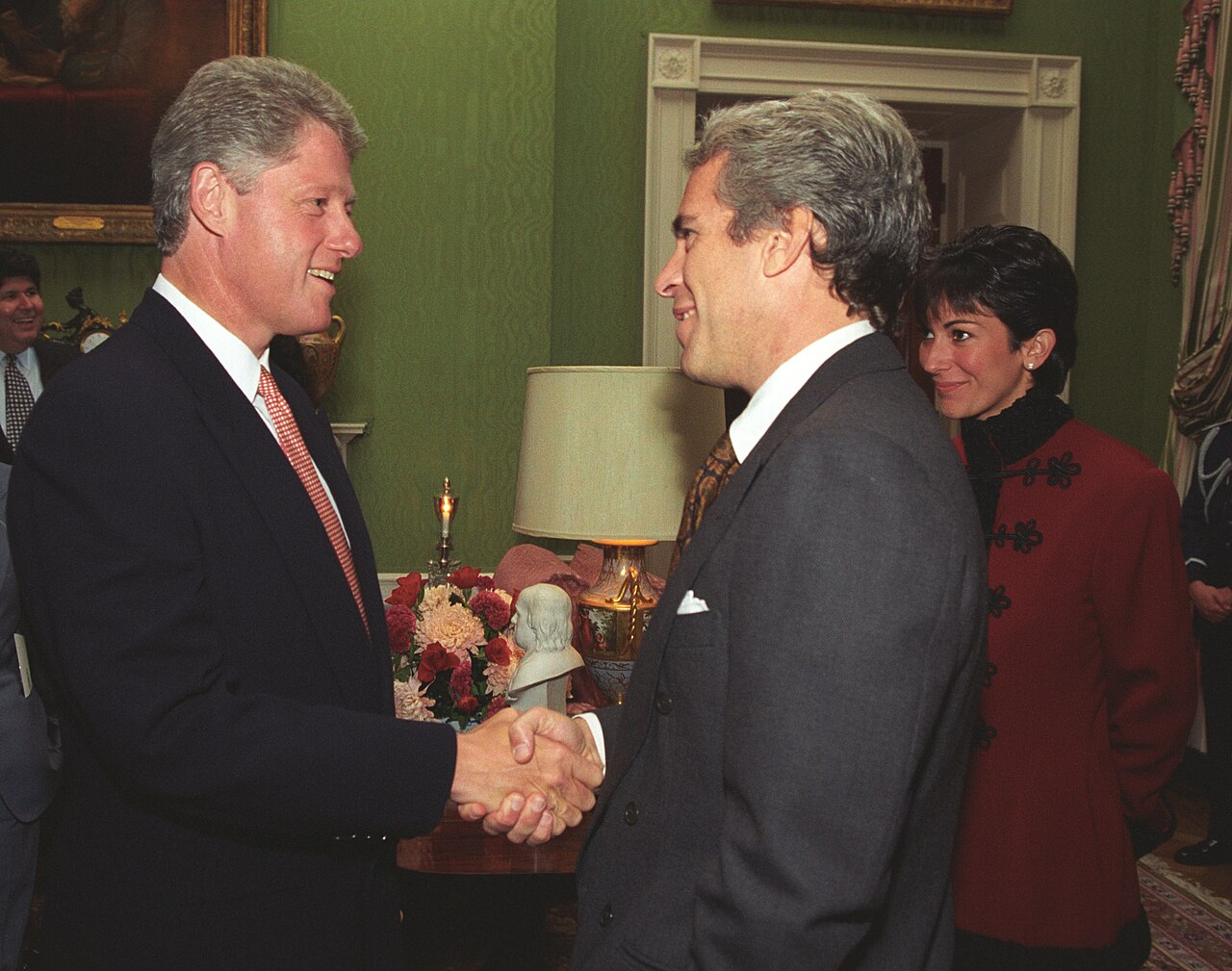
Beyond mere entries in visitor logs, photographic evidence also exists, showing Epstein and Ghislaine Maxwell, Epstein's longtime associate who was later convicted on sex trafficking charges, at at least one White House event with the then-president. These images have been widely circulated and contribute to the public's enduring fascination with the nature of their association.
In sworn depositions submitted to the House Oversight Committee in January 2026, Bill Clinton addressed these visits directly. He stated that Epstein "may very well have attended" White House events during his presidency and could have been among the "tens of thousands" of people photographed with him. However, Clinton maintained a lack of specific recall regarding any personal encounters, stating, "I did not recall encountering Mr. Epstein, or any specific interaction with him, while in office."
The implications of such frequent White House access for someone later revealed to be a notorious sex offender are profound. It raises questions about who gains entry to the nation's most secure and influential residence, the vetting processes for visitors, and the perceived legitimacy that proximity to power can confer. For a deeper dive into this specific aspect, consider reading
Jeffrey Epstein's White House Access During Clinton's Presidency. The presence of Epstein and Maxwell at these events, regardless of the nature of their interactions with the President, highlights a period where they moved in influential circles.
Post-Presidency Interactions and Denials of Knowledge
The relationship between Bill Clinton and Jeffrey Epstein did not end with Clinton's departure from the White House. Documented interactions continued into the early 2000s, albeit with a more limited scope. According to a 2019 post, Bill Clinton met with Epstein on two occasions after leaving office: once in Clinton's Harlem office in 2002, and around the same time, made one brief visit to Epstein's New York apartment. This visit to Epstein's apartment was reportedly made with a staff member and his security detail, indicating a level of formal arrangement.
Crucially, both Bill and Hillary Clinton have consistently maintained that they were unaware of Epstein's or Maxwell's criminal activities. In his sworn statement, former President Clinton wrote, "To be clear, I had no idea of Mr. Epstein's or Ms. Maxwell's criminal activities." He further asserted that he "did not take any action for the purpose of helping them to avoid any type of scrutiny," irrespective of any intent they may have had. Similarly, Hillary Clinton, in her declaration, stated that during her tenure in public office from 1993 to 2013, she "never had any responsibility for, or involvement with, the Department of Justice's handling of the Epstein and Maxwell investigations or prosecutions."
These denials are central to the Clintons' defense against implications of wrongdoing or complicity. The timeline of their interactions largely predates the widespread public exposure and convictions of Epstein for sex crimes. While Epstein's initial guilty plea in Florida occurred in 2008, comprehensive details and the full scope of his illicit activities, particularly those involving Maxwell, only became fully public much later. A spokesperson for Bill Clinton, Angel Urena, reiterated in 2019 that "President Clinton knows nothing about the terrible crimes Jeffrey Epstein pleaded guilty to in Florida some years ago, or those with which he has been recently charged in New York," adding that Clinton had not spoken to Epstein after a certain point. For a more detailed examination of these statements, refer to
Clinton's Sworn Account: Denials of Epstein Crime Knowledge.
Understanding the Scrutiny and Public Perception
Despite the consistent denials from the Clintons and the lack of any public allegation of wrongdoing directly against Bill Clinton by Epstein's victims or associates, the scrutiny surrounding his connections to Jeffrey Epstein persists. This ongoing public interest highlights several facets of high-profile relationships and public trust.
One key factor is the concept of "guilt by association." When a prominent public figure like a former President has documented ties, financial or otherwise, to someone later revealed to be a heinous criminal, questions naturally arise. The public often struggles to reconcile the image of a leader with the company they kept, even if the leader claims ignorance of the individual's illicit activities. This is further compounded by the nature of Epstein's crimes, which evoke strong moral outrage and a desire for accountability across all who may have enabled or overlooked his behavior.
Furthermore, the sheer volume of Epstein's victims and the chilling details of his crimes create a lasting shadow over anyone linked to him. The passage of time and subsequent revelations about the scale of Epstein's network mean that past associations are continuously re-evaluated through a new, darker lens. This intense re-examination, fueled by investigative journalism and legal proceedings, ensures that the discussion around "bill clinton jeffrey epstein" remains a significant part of the public discourse. The episode serves as a cautionary tale for public figures regarding the need for diligent vetting of associates and donors, and the long-term impact of perceived proximity to those who commit abhorrent acts.
Conclusion
The interactions between Bill Clinton and Jeffrey Epstein span over two decades, encompassing early political donations, multiple White House visits during Clinton's presidency, and a limited number of post-presidency meetings. While these connections are well-documented, it is crucial to reiterate that no public allegations of wrongdoing or inappropriate behavior have ever been made against Bill Clinton by any survivor or associate of Jeffrey Epstein. Both Bill and Hillary Clinton have consistently denied any knowledge of Epstein's or Ghislaine Maxwell's criminal activities, stating they were unaware of the nature of their illicit conduct. The ongoing public and media scrutiny of these ties underscores the profound impact of Epstein's crimes and the lasting questions they raise about accountability, associations, and the vetting processes for those who move within powerful circles. The "bill clinton jeffrey epstein" narrative remains a complex case study in how the past associations of public figures continue to be examined in light of later, devastating revelations.