Jeffrey Epstein's White House Access During Bill Clinton's Presidency: A Detailed Look
The name Jeffrey Epstein evokes a chilling narrative of power, predation, and the disturbing ease with which he navigated circles of influence. Among the many questions surrounding his infamous network, his access to the White House during Bill Clinton's presidency has consistently drawn public scrutiny. This period, from 1993 to 2001, saw Epstein gain entry to the nation's most secure residence, leading to ongoing questions about the nature of his connections and the extent of awareness among those in power. While no allegations of wrongdoing by Clinton himself have ever been publicly substantiated in connection with Epstein's crimes, the timeline of interactions and the eventual revelations about Epstein's horrifying activities cast a long shadow over these past associations.
Unpacking Jeffrey Epstein's White House Presence
White House visitor logs, meticulously documented and later obtained by news organizations, reveal a surprising frequency of visits by Jeffrey Epstein during Bill Clinton's two terms in office. Between 1993 and 1995 alone, Epstein signed in as a visitor on no fewer than 17 occasions. This level of access for a private citizen, even one with a burgeoning financial profile, is notable and suggests a degree of comfort within the presidential orbit.
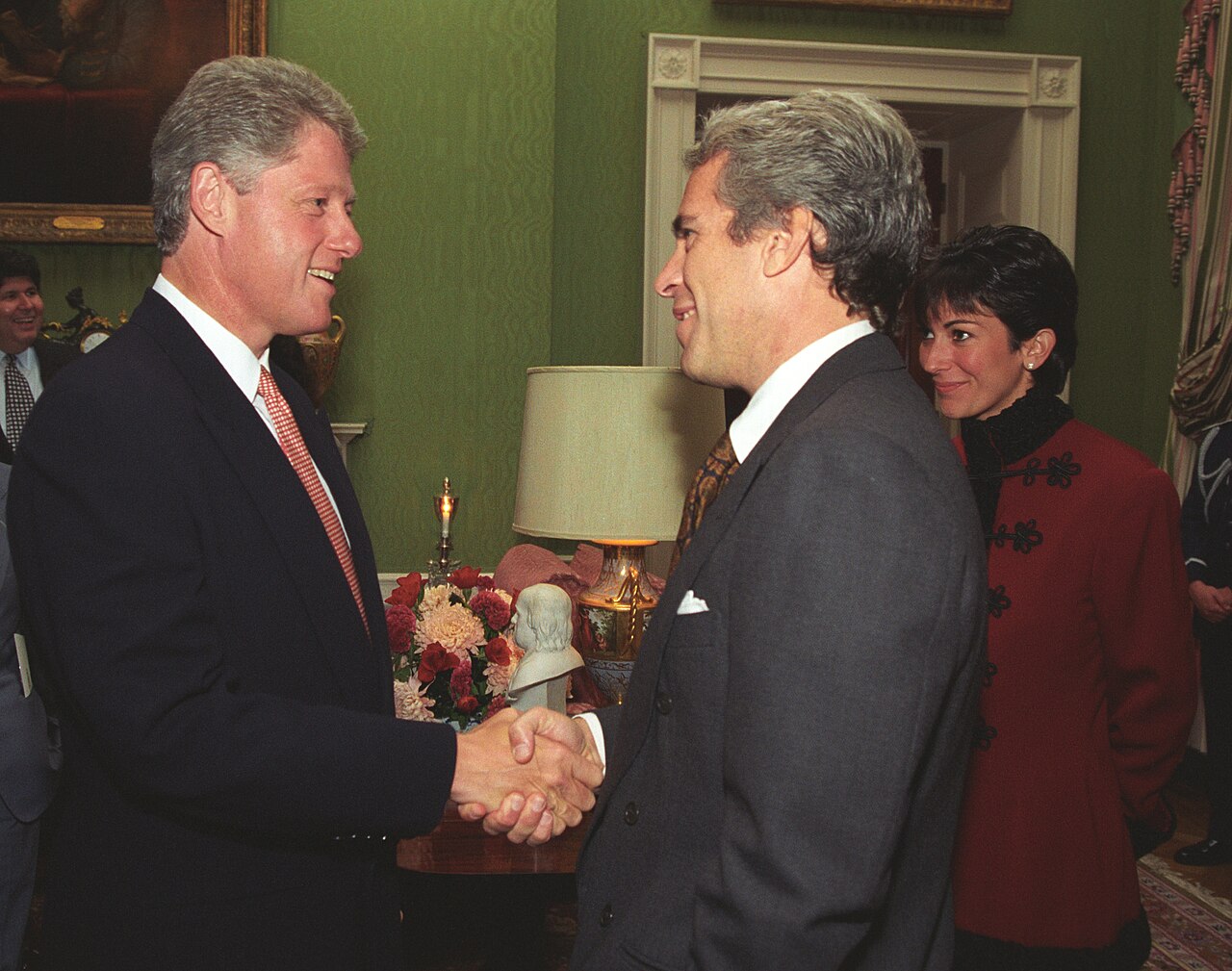
Beyond simply signing in, photographic evidence places Epstein and his long-time associate Ghislaine Maxwell at at least one White House event alongside then-President Clinton. Such images, taken at a time when Epstein's criminal activities were not publicly known, have since become potent symbols of the complex and often opaque relationships that can form between powerful figures. Understanding the context of these visits is crucial; in the mid-1990s, Epstein was primarily known as a successful, albeit enigmatic, financier with a wide social network. The sinister nature of his true character and operations would only come to light much later, retrospectively re-framing every interaction he had with public figures.
The existence of these visitor logs and photographs underscores the importance of transparency in public office. While such access might have seemed innocuous at the time, the subsequent revelations about Epstein highlight the need for perpetual vigilance and public accountability regarding who gains proximity to power.
Financial Contributions and Early Connections
Before his White House visits, Jeffrey Epstein began cultivating connections with the Clinton political sphere through financial contributions. In 1992, his presidential campaign for Bill Clinton received a $1,000 donation from Epstein. Seven years later, as Hillary Clinton was embarking on her Senate campaign, Epstein contributed a more substantial $20,000 to a joint fundraising committee supporting the Democratic Party and then-Senate hopeful. These early donations illustrate Epstein's strategy of engaging with influential political figures, a common practice among wealthy individuals seeking to expand their networks and potentially gain influence.
Further demonstrating this pattern, the Clinton Foundation later acknowledged receiving a single donation of $25,000 from an Epstein-related foundation in 2006. While such contributions are standard in the world of politics and philanthropy, the source of these funds, in retrospect, takes on a different meaning. It's important to differentiate between donations made when an individual is merely a wealthy financier and those made after their criminal nature has been exposed. However, the timeline of these contributions undoubtedly established a degree of familiarity and access that persisted for several years.
For a deeper dive into these financial ties and the specific White House visit timeline, you might find our article Bill Clinton & Epstein: Donations, White House Visits Explored particularly insightful.
Bill Clinton's Account and Denials of Knowledge
Amidst ongoing congressional inquiries into Epstein's network, former President Bill Clinton has provided sworn depositions to the House Oversight Committee regarding his relationship with the late financier. In these statements, Clinton acknowledged the possibility of Epstein's presence at White House events during his tenure, stating that Epstein "may very well have attended" such gatherings and could have been among the "tens of thousands" of people photographed with him over his two terms.
However, Clinton maintained a consistent position, asserting that he did "not recall encountering Mr. Epstein, or any specific interaction with him, while in office." Both Bill and Hillary Clinton have also stated that they could not recall the circumstances of how they first met Ghislaine Maxwell, though they remembered she later "began a personal relationship with a mutual friend."
Crucially, President Clinton has been unequivocal in his denial of any knowledge concerning Epstein's criminal activities. He wrote, "To be clear, I had no idea of Mr. Epstein's or Ms. Maxwell's criminal activities." Furthermore, he denied taking any action "for the purpose of helping them to avoid any type of scrutiny." Hillary Clinton echoed this sentiment in her declaration, stating that during her time in public office (1993-2013), she never had "any responsibility for, or involvement with, the Department of Justice's handling of the Epstein and Maxwell investigations or prosecutions." These sworn statements highlight a consistent narrative from the Clintons: an acknowledgement of past acquaintance and limited interaction, coupled with a firm denial of any awareness of Epstein's horrifying crimes. To explore the legal and public implications of these denials in more detail, refer to Clinton's Sworn Account: Denials of Epstein Crime Knowledge.
Post-Presidency Interactions and Shifting Narratives
After leaving the White House, the interactions between Bill Clinton and Jeffrey Epstein became more limited and, according to Clinton's office, ceased entirely once accusations against Epstein became public. A 2019 statement clarified that President Clinton had one meeting with Epstein in his Harlem office in 2002. Around the same time, he made one brief visit to Epstein's New York apartment, accompanied by a staff member and his security detail. These appear to be the only documented in-person interactions post-presidency.
The narrative surrounding these connections fundamentally shifted when Epstein's criminal activities began to surface publicly. A spokesperson for President Clinton, Angel Urena, reiterated in 2019 that "President Clinton knows nothing about the terrible crimes Jeffrey Epstein pleaded guilty to in Florida some years ago, or those with which he has been recently charged in New York." This consistent messaging emphasizes a clear demarcation between the period of acquaintance and the later period when the full extent of Epstein's depravity became known.
The timeline of these interactions is critical. The few post-presidency meetings occurred years before the widespread public revelations and subsequent legal charges that fully exposed Epstein as a convicted sex offender and alleged trafficker. This chronological context underpins the Clintons' consistent position that their limited past associations were based on Epstein's then-public persona as a successful businessman, not on any awareness of his heinous secret life.
Conclusion
Jeffrey Epstein's access to the White House during Bill Clinton's presidency, marked by 17 visits between 1993 and 1995 and photographic evidence, remains a subject of intense public and media interest. Coupled with his financial contributions to Clinton's campaigns and the Clinton Foundation, these historical connections illustrate the avenues of access that wealth and social networking can provide. However, it is crucial to reiterate the consistent position of both Bill and Hillary Clinton: they have firmly denied any knowledge of Epstein's or Ghislaine Maxwell's criminal activities, both in and out of office, and no public allegations of wrongdoing by Clinton himself have ever been made in connection with these crimes. The ongoing scrutiny of these past associations underscores the profound impact of Epstein's revelations, prompting a re-examination of how figures of power engage with those who, in retrospect, prove to be anything but ordinary.